
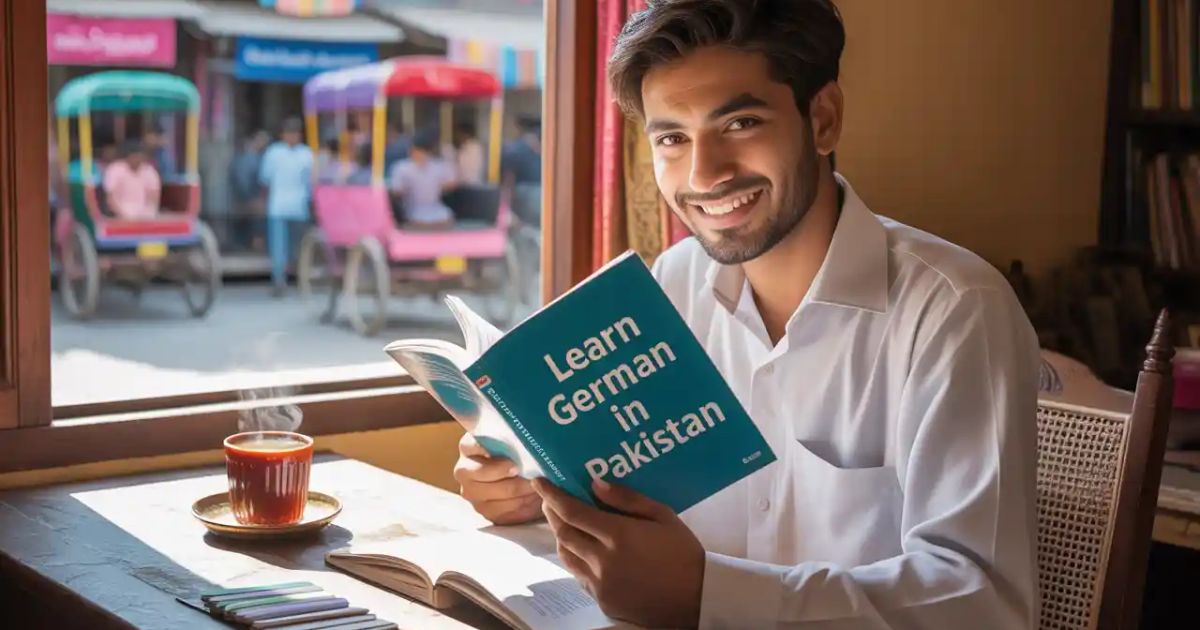
Learning a foreign language is always a journey not just of words and grammar, but of culture, consistency, and confidence. If you’re in Pakistan and want to Learn German in Pakistan, here’s everything you need to know to make it efficient, enjoyable, and successful. And yes, “German House” will be your guide in many steps.

Why Learn German?
- Career & Academic Opportunities: Germany is a hub for engineering, IT, healthcare, and arts. Knowing German opens doors to universities (with scholarships via DAAD), apprenticeships (“Ausbildung”), and skilled work.
- Visa & Migration: For people aiming for student visas, work permits, or family reunification, German language competence (often B1/B2) is required.
- Personal Growth & Culture: Learning a new language helps you understand another culture deeply its literature, media, art, and society.
Challenges Pakistani Learners Face
- Pronunciation & Sounds: German has sounds (like umlauts: ä, ö, ü; and the “ch” sound) that are not in Urdu or Punjabi, making them tricky.
- Grammar Complexity: The three genders (der / die / das), four cases (nominative, accusative, dative, genitive), and flexible word order can be intimidating.
- Limited Local Resources: Depending on your city, access to high-quality classes, native or certified instructors, or authentic materials can be uneven.
- Motivation & Practice: Without regular exposure or speaking practice, progress can stall.
Where to Begin: Foundational Steps
- Set Clear Goals
Do you need German for a visa, job, or just personal enrichment? Knowing whether you must reach A1, B1, or higher will shape your timeline, learning intensity, and course choices. - Choose a Recognised Course or Institute
Pakistan has many language institutes offering German. Some examples:
- Goethe‑Institut Pakistan (Karachi, Islamabad) — structured courses from A1–C2.
- Heinrich‑Heine Sprachzentrum in Islamabad — courses aligned with CEFR, with good reputation.
- Schiller German Institute / Sprach Baum — tailored for Pakistani students, sometimes using Urdu to explain tougher concepts.
- IGL (Institute of German Language) in Karachi – online & in‑person classes.
- Choose a Recognised Course or Institute
- Use Good Study Materials & Apps
- Textbooks like Menschen, Studio D, or Schritte International
- Free content from Deutsche Welle (DW) or Goethe’s online portals.
- Mobile apps: Duolingo, Memrise, Anki (for vocabulary & spaced repetition)
- YouTube channels, German music, podcasts for listening practice.
- Practice All Four Skills Regularly
- Listening: German news, songs, films. Even if you don’t understand everything at first, your ear gets tuned.
- Speaking: Crucial. Find speaking partners, tutors, or language‑exchange groups. Don’t worry about mistakes speaking builds fluency.
- Reading: Start with simple texts, graded readers, online blogs, then move to newspapers or novels.
- Writing: Journals, essays, messaging in German. Ask someone to correct you or use language tools.
How German House Helps You Succeed
Here’s how “German House” could structure its offerings (or how you as a learner can use “German House” if it’s your brand/academy) for maximum benefit:

- Structured Course Levels: From A1 (complete beginner) to C1/C2 (advanced mastery), matching CEFR standards.
- Native / Certified Teachers: Teachers who understand German pronunciation & culture, and explain difficult grammar points clearly. Bonus if there are instructors who speak Urdu/your native language for clarity in early phases.
- Flexible Learning Modes: In‑person classes in major cities + online classes so learners outside big cities (or abroad) can attend.
- Exam Preparation Support: Mock exams, feedback, exam strategy (for Goethe, TELC or others).
- Immersive & Interactive Learning: Conversation clubs, regular speaking sessions, workshops, cultural nights.
- Motivation & Accountability: Regular homework, progress tracking, small tests to keep momentum.
Typical Timeline & Intensity
Here’s a realistic schedule depending on how much time you can dedicate:
| Goal / Level | Time per week | Expected Duration |
| A1 (basic conversational) | 4‑6 hours | ~ 8‑12 weeks |
| A2 (can handle more daily situations) | 5‑8 hours | 10‑14 weeks |
| B1 (can work / travel with German) | 6‑10 hours + self‑study | 4‑6 months |
| B2 and above (higher fluency) | 8‑12+ hours + immersion | 6‑12+ months |
Consistency matters more than speed. Daily exposure—even 30 mins of listening or vocabulary helps a lot.
Cost & Where to Study Across Pakistan
Prices vary depending on institute, city, course level, and whether the course is intensive or part‑time. Some examples & features:
- Courses in major institutes like Goethe or private schools often cost more but offer high prestige, excellent materials, experienced teachers.
- Smaller local institutes or online tutors tend to be more affordable.
- Private tutoring or 1‑on‑1 classes are more expensive per hour but can be faster.
Also, check whether institutes offer free/library access to reading materials or partner with cultural centres (German Houses, Goethe etc.) to provide extra resources.
Tips & Best Practices to Accelerate Learning
- Immerse even locally: Label things in your home, think in german, change your phone/computer interface to German.
- Use media: Watch German films & TV with subtitles, then without. Listen to German podcasts.
- Join communities: Local German language clubs, meetups, online groups. Speaking with other learners helps.
- Translate & shadow: Try translating short paragraphs or songs. Shadowing (listening then repeating) helps with pronunciation and rhythm.
- Track your errors: Note down recurring mistakes (gender, case, word order) and consciously practice them.
How German House Can Be Positioned As the Best Option
If you are promoting German House (or if it exists or you intend to build such), here are features that will make it stand out:
- Use the name German House clearly, with slogans like “Your House for German Language in Pakistan”.
- Offer free orientation or diagnostic test to place new students in correct level.
- Guarantee qualified teachers (native or with certifications from Goethe, etc.).
- Provide flexible schedules (evenings/weekends) as many learners will have other obligations.
- Blend online + offline so students from smaller cities benefit.
- Give students extra speaking practice, doubt‑clearing sessions, and motivate through rewards (certificates, recognition).
Sample Plan: Your First 3 Months with German House
Here’s a suggested plan to go from zero to basic conversational (A1/A2):
Month 1
- Enrol in an A1 course at German House (4‑6 hrs/week)
- Learn basic vocabulary, alphabet, pronunciation (umlauts, “ch”, etc.)
- Begin listening to simple content (kids’ videos, children’s stories)
- Daily 15 minutes vocabulary revision with flashcards
Month 2
- Continue course; start A2 topics (cases, more verbs, daily situations: travel, food, directions)
- Join conversation‑practice sessions (with German House peers or online)
- Watch simple German shows / movies with subtitles
Month 3
- Prepare for A2 exam or certificate (mock tests)
- Expand reading: short articles, children’s books, simple news items
- Regular writing: journal entries or small essays, with feedback
By end of three months, if you stick with it, you should feel comfortable in basic German conversations, understand simple spoken German, and read light texts.
Final Thoughts
Learning German in Pakistan is entirely possible and rewarding. It takes:
- Clear goals
- Good resources + good coaching (that’s where German House plays a key role)
- Regular, balanced practice of speaking, listening, reading, writing
- Patience and consistency
If you’re ready to start, German House can be your base: structured, supportive, focused on quality and real communication. With dedicated effort, you’ll not only learn German you’ll begin thinking in German, understanding the culture, and opening new global doors.